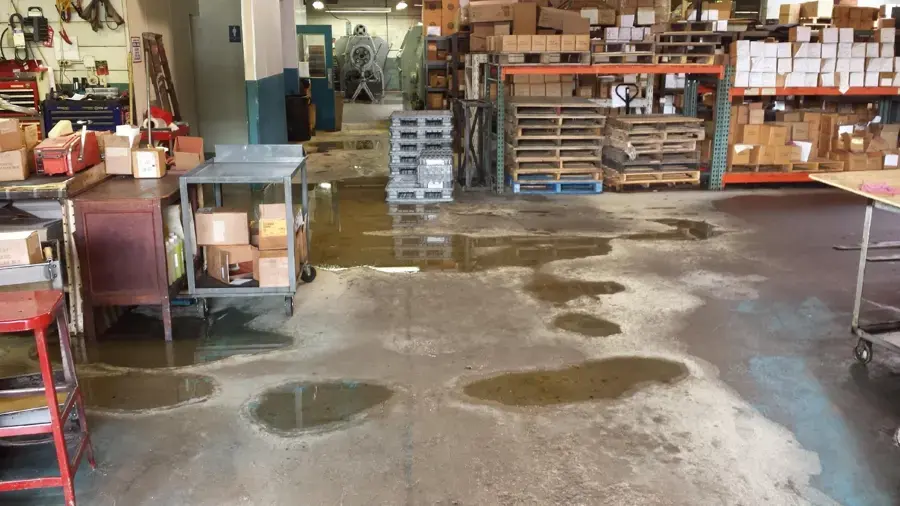
A shop on Castro Valley Boulevard cannot close for two weeks the way a house can sit empty. When water gets in, the real question is how much of the building can stay open while the rest dries.
Key takeaways
- Shops, offices, clinics and apartments along Castro Valley Boulevard and in Castro Valley Village often share walls, floors or a roof, so one failure can reach several units.
- Phased drying works section by section, which lets doors stay open while the wet part is contained and dried.
- The first day is about stopping the water, protecting stock and records, and photographing everything before it is moved.
- The source matters: a supply pipe, a roof, a sprinkler or a sewer each call for a different response.
- Bordering Hayward shows the same pattern at a larger scale, with industrial, retail and institutional buildings.
Why mixed use blocks need phased drying
Castro Valley Village and the Castro Valley Boulevard corridor mix shops, offices, clinics and apartments. Many of those buildings have more than one occupant sharing walls and floors.
A leak in one unit rarely stays there, so the drying plan has to cover neighbors without shutting down all of them.
Phased drying is built for exactly this kind of block. It treats each unit as its own zone, so the wet part is contained and the dry part keeps working.
- A shop below an apartment can be wet from a bath or kitchen leak above.
- A shared roof can leak into several units at once.
- A sewer backup in a shared drain affects the lowest units first.
- A single supply failure can reach hallways and back rooms.
The first day for a shop owner
Calling early matters more in a business than in a house, because every day of lost trading adds to the loss.
The first day sets how the loss unfolds. These steps keep damage from growing.
- Stop the water at its source if it can be done safely.
- Turn off power to wet areas and keep staff out of them.
- Photograph the damage before anything is moved.
- Move stock, files and equipment off wet floors.
- Call for commercial water damage help and notify the landlord and insurer.
Phased drying: how a business stays open
The principle is to contain the wet section and keep the rest of the building working.
Containment and zones
Plastic walls and zone barriers separate the wet area from the working part of the shop. Equipment runs only where the readings call for it.
Work outside business hours
Noisy or disruptive work is scheduled so the shop can keep trading. Phased work also lets one section finish drying while the next begins.
Unit by unit mapping
Each unit is mapped with moisture readings, so the owner and the landlord know which areas are wet and which are dry. Structural drying is finished when the readings, not the calendar, say so.
Sequencing the phases
The wettest area is usually dried first, then the crew moves equipment to the next zone as readings fall. A schedule shared with the owner and the landlord shows when each part will be ready.
Keeping customers and staff safe
Barriers, signs and clear paths keep customers away from equipment and wet floors. A cord or hose across a walkway is a trip hazard, so routes are planned before equipment goes down.
Protecting stock, records and equipment
A business loses money from damaged contents as well as from damaged walls. Protecting what is inside can matter more than saving drywall.
Stock on the floor is the first to go. Shelving, pallets and plastic sheeting are cheap compared with replacing it.
- Lift stock onto shelves, plastic or pallets.
- Move paper records, computers and point of sale equipment out of the wet area first.
- Wrap furniture and fixtures that cannot be moved.
- List damaged items with photographs for the claim.
- Keep receipts for emergency purchases.
- Back up computers and move servers or routers off the floor.
Where the water comes from
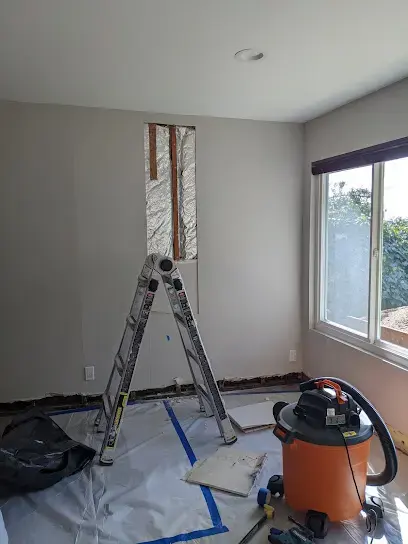
A building with more than one use often has more than one possible source, so the crew checks supply, roof, drain and neighbor before settling on a cause.
The source decides how a commercial loss is cleaned.
Supply pipes and fixtures
A failed supply pipe or fixture leaves clean water, which can often be dried in place.
Roof and storm water
Winter storms test commercial roofs. Wet ceiling tiles and insulation are removed and the cavity is dried.
Sewer and drain backups
Sewage is Category 3 water, so affected materials are removed and surfaces are treated before drying starts.
The wider picture in neighboring Hayward
Hayward, a bordering city, shows the same issues at a larger scale. It has industrial areas on its west side and a growing group of biotechnology firms.
Southland Mall retail, St. Rose Hospital and school campuses add to a mix of retail, institutional and light industrial buildings. The Hayward commercial water damage page covers that side, and the Hayward hub lists the rest of the response.
- Larger buildings have bigger equipment needs and more zones.
- Institutional buildings often need work scheduled around operating hours.
- Retail buildings share roofs, walls and drains between tenants.
Insurance, tenants and records
Commercial policies can include business interruption coverage, and the details vary. It is worth asking early what the policy covers while the drying is underway.
Tenants and landlords each have records to keep. Good paperwork shortens the claim.
Landlords and tenants can each carry their own coverage, and the lease often says who handles what. Reading the lease before a loss is the easiest way to avoid a dispute during one.
Keeping a dated daily log of what was wet, what was moved and who was told makes it easier to explain the loss after the fact.
- Save the unit by unit moisture maps and the final readings.
- Keep the scope of work and a dated photo record.
- Track lost sales and the days the shop could not trade.
Questions
Can a shop stay open while it dries?
Often, yes. Phased drying contains the wet section with barriers and works section by section, so the rest of the shop can keep trading.
What should a shop owner protect first?
People first, then records, stock and equipment. Move paper, computers and point of sale equipment out of the wet area, and photograph everything before it is moved.
Who is responsible when water reaches several units?
It depends on the source and the lease. A landlord usually handles the building and shared systems, and each tenant documents contents and business loss.
How does a sewage backup change the work?
Sewage is Category 3 water. Affected materials are removed, surfaces are treated with antimicrobial and drying follows. The work takes longer than clean water.
Does insurance cover lost sales during drying?
Some commercial policies include business interruption coverage, but terms vary. Asking the insurer early and keeping sales records helps.
Does a landlord or a tenant call for drying?
It depends on the lease and the source. Usually the landlord handles the building and shared systems, while the tenant protects contents and notifies the landlord at once.