Water Damage Restoration in Fremont
Fremont homes and businesses call when a winter storm, a failed pipe or a backed up drain leaves water where it should not be. Crews extract the water, map the moisture and dry the structure.
(888) 774-9605Request water damage help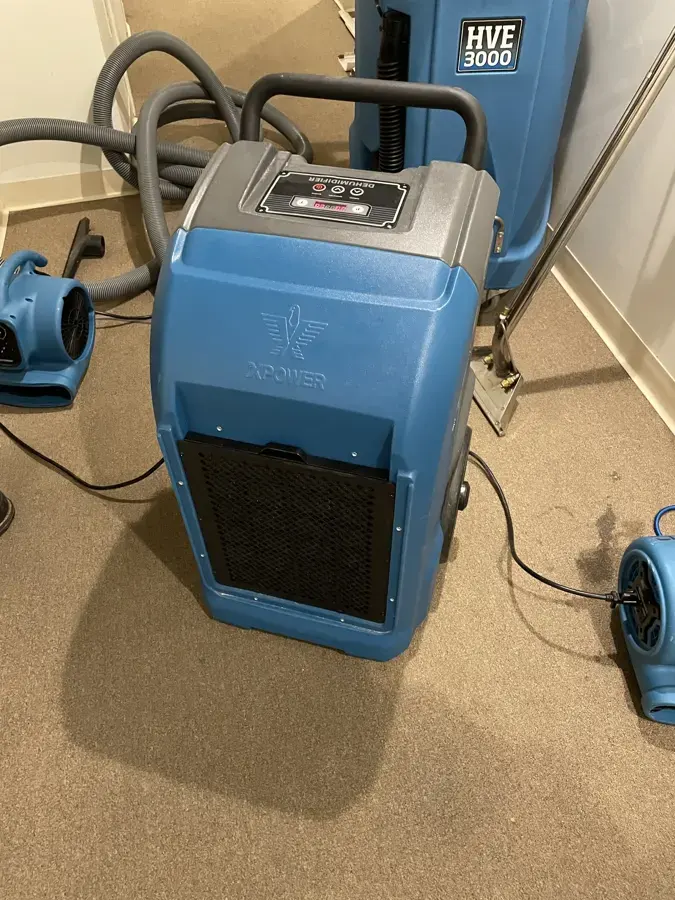 24/7 · Fremont, CA
Fremont gets about 17 inches of rain a year, and most of it falls in a cool wet winter, so storm water entering a home is among the most common reasons to start extraction.
What to do first when water enters a Fremont home
- 1
Find the shutoff
Turn off the main valve or the water heater supply, then flip breakers for wet outlets only if the panel is dry and you can reach it safely.
- 2
Stop the spread
Lift small items, pull rugs and wipe pooled water off hard floors so it stays out of cabinets and baseboards.
- 3
Record the damage
Photograph each wet room and the source before anything moves, because adjusters ask for those pictures.
- 4
Keep people clear
Stay out of any room with sewage, a sagging ceiling or standing water near outlets, and keep pets away too.
- 5
Call for extraction
Once the source is stopped, call so extraction and drying can begin while the materials are still savable.
Fourteen water services for Fremont homes and businesses
From the Centerville subdivisions to Mission San Jose and Warm Springs, every loss needs its own plan. Each page below explains how one water service works in Fremont and what it usually involves for the property.
Water Extraction and Removal
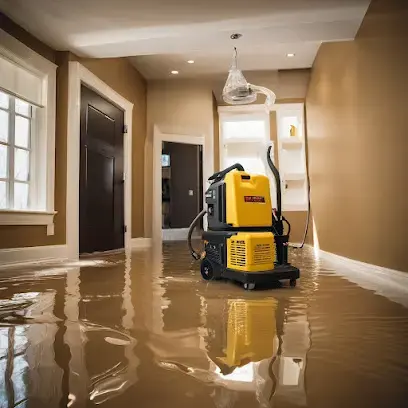
Pumps and truck-mounted units pull standing water from floors and carpet before it spreads.
Water Extraction and Removal details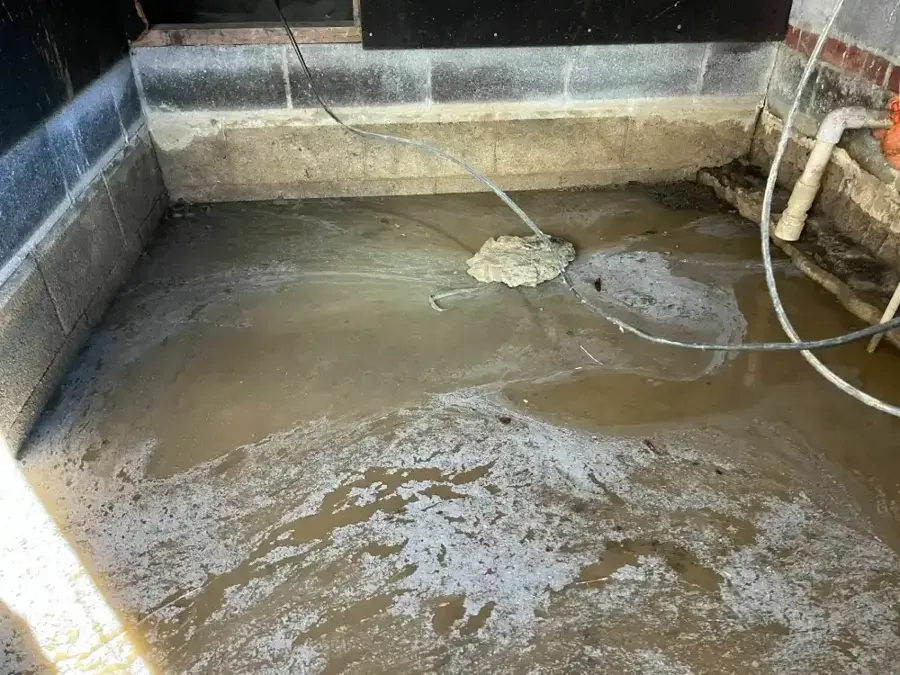
Crawl Space Water Damage
Water under a raised floor is pumped out, then the subfloor and joists are dried.
Crawl Space Water Damage details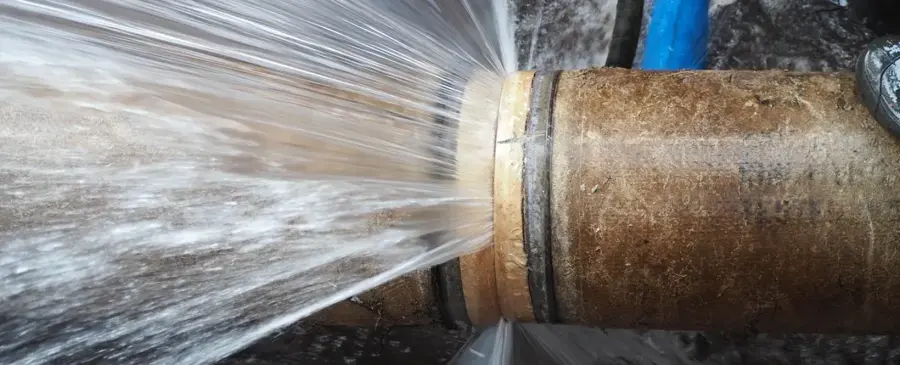
Burst Pipe Water Damage
A burst supply pipe means extraction, targeted wall openings and drying where meters say.
Burst Pipe Water Damage details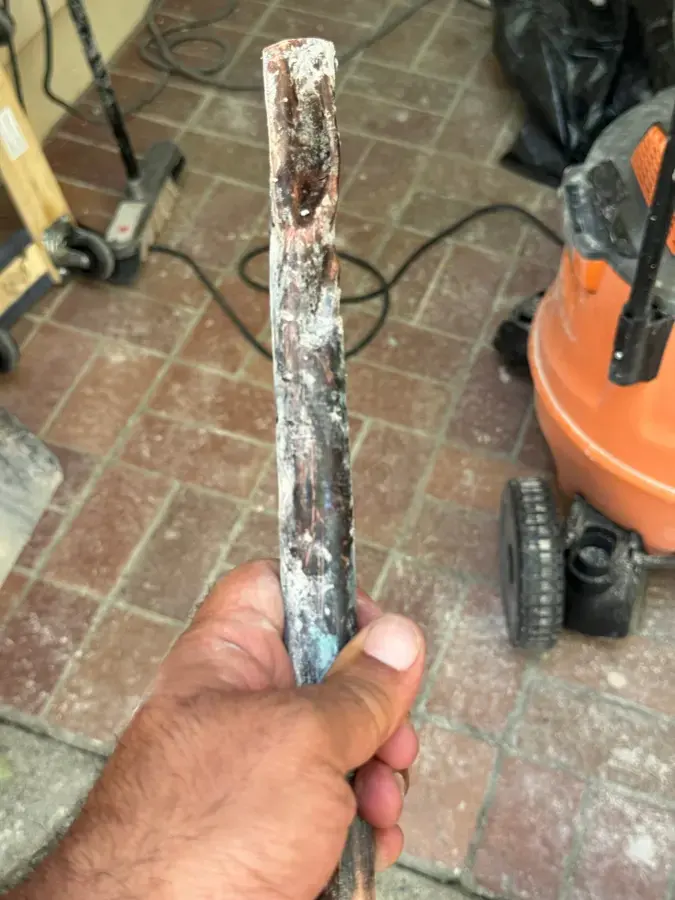
Galvanized Pipe Leak Cleanup
Slow leaks in older supply pipes are mapped, then the wall cavity is dried.
Galvanized Pipe Leak Cleanup details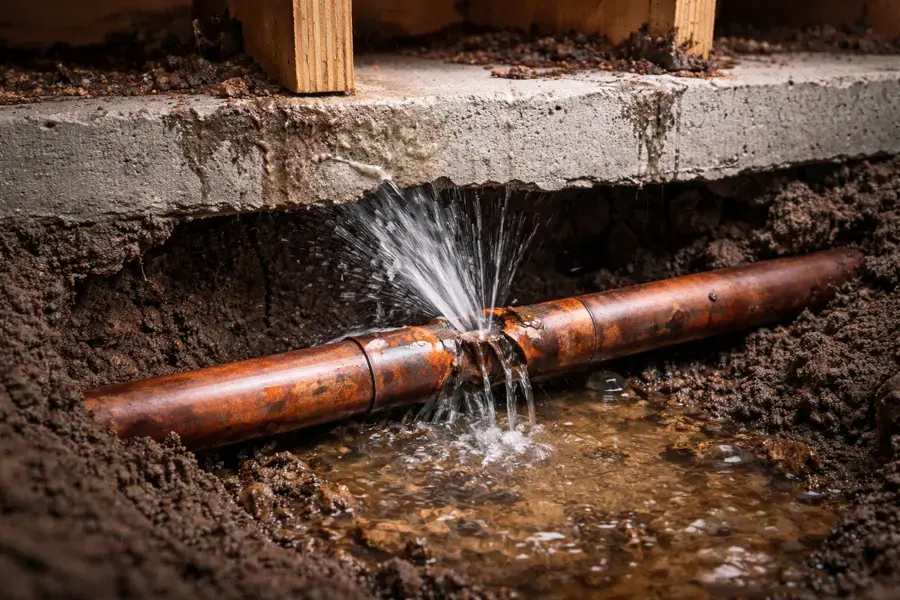
Slab Leak Water Damage
Pipes leaking under a slab are traced with thermal imaging, then floors and walls dried.
Slab Leak Water Damage details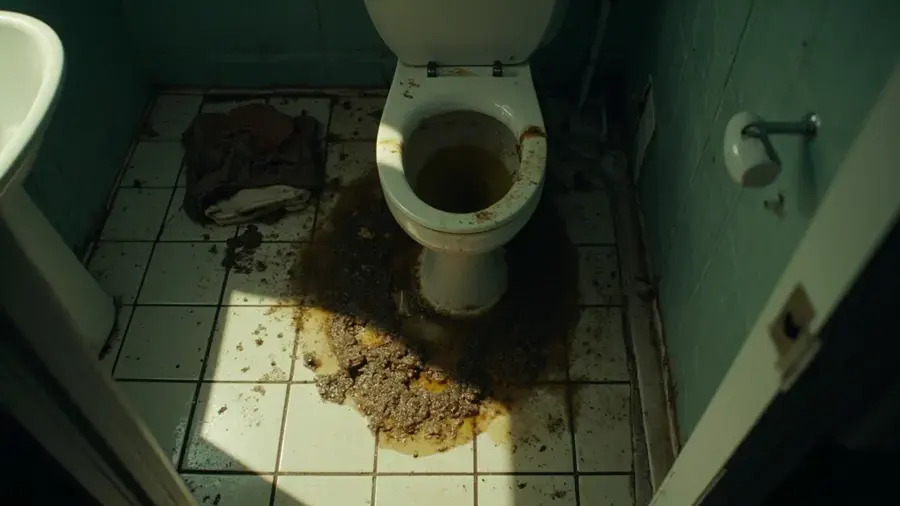
Sewage Backup Cleanup
Sewage backups are treated as contaminated water, with soiled materials removed and surfaces disinfected.
Sewage Backup Cleanup details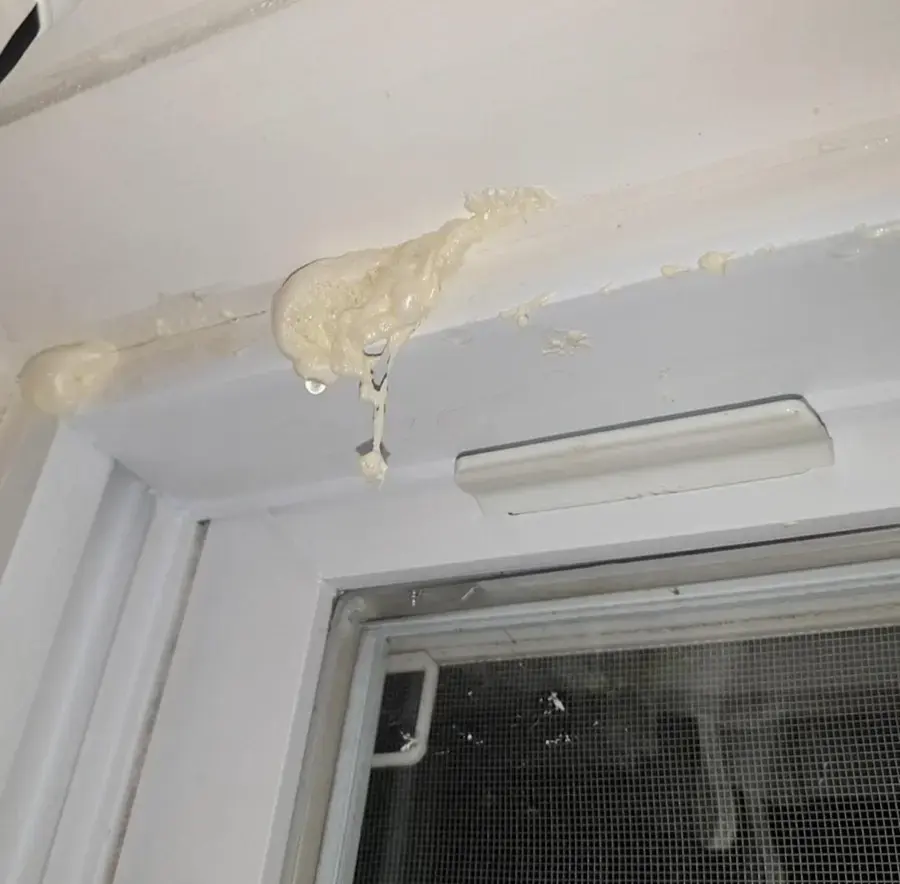
Storm Water Damage
Wind-driven rain and runoff that enter at doors, windows and walls are extracted and dried.
Storm Water Damage details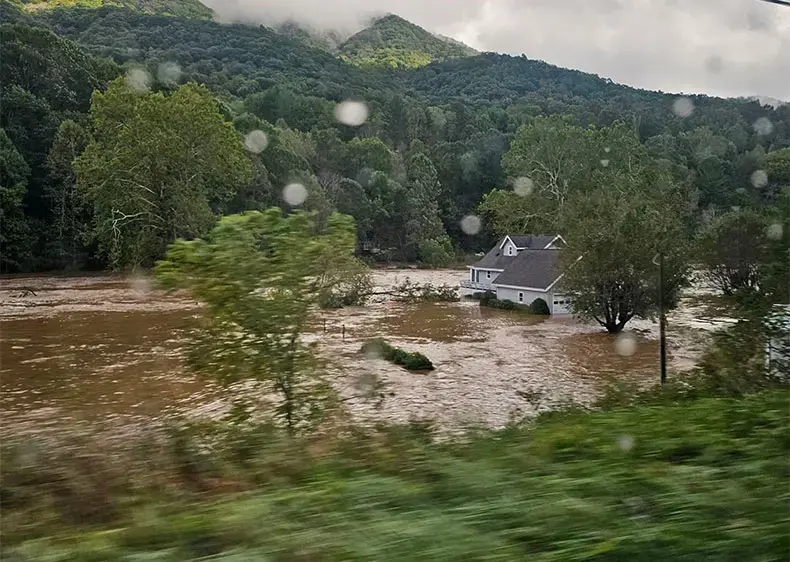
Creek and Flash Flood Cleanup
Creek overflow and flash flooding bring mud, so cleanup covers removal, cleaning and drying.
Creek and Flash Flood Cleanup details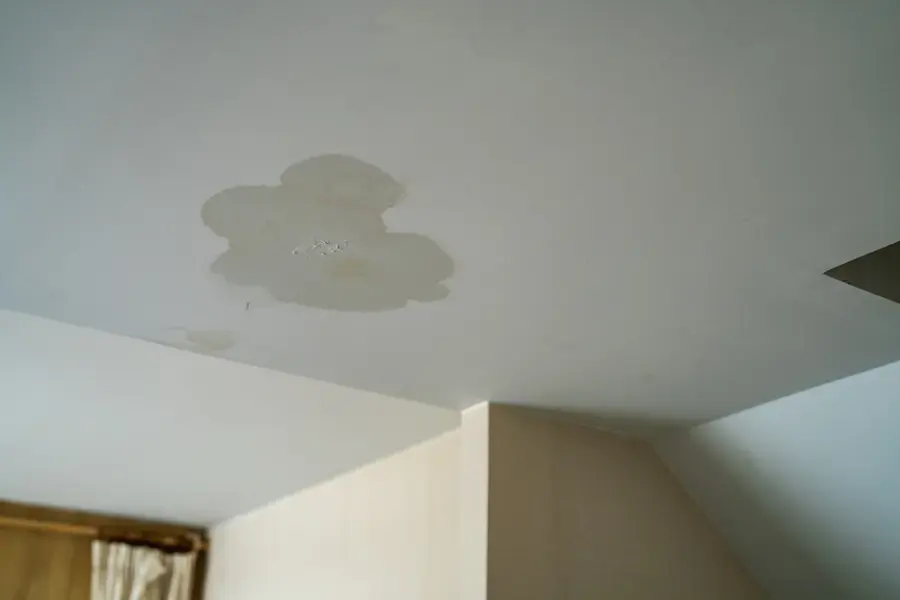
Ceiling Leak Water Damage
Stained or sagging ceilings are traced to the leak, opened if wet and dried.
Ceiling Leak Water Damage details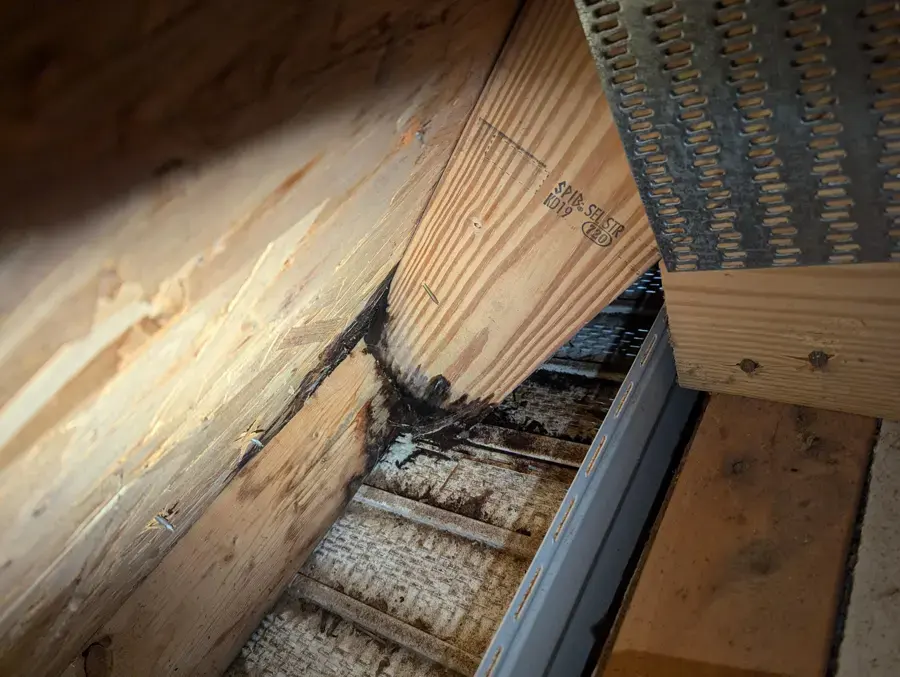
Roof Leak Water Damage
Winter rain finds weak roof spots, so tarping comes first and drying follows.
Roof Leak Water Damage details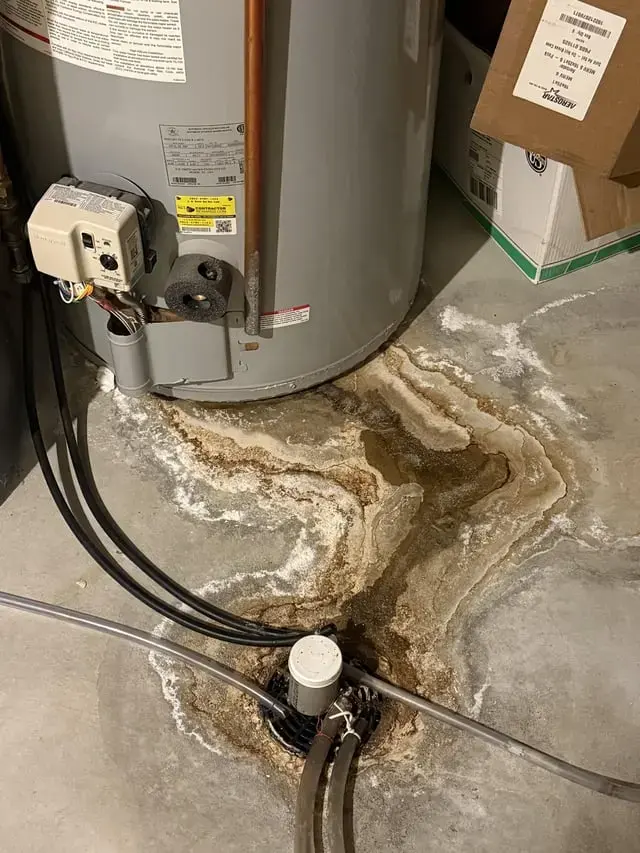
Water Heater Leak Cleanup
A failed tank floods its closet or garage, and drying pairs with a permitted replacement.
Water Heater Leak Cleanup details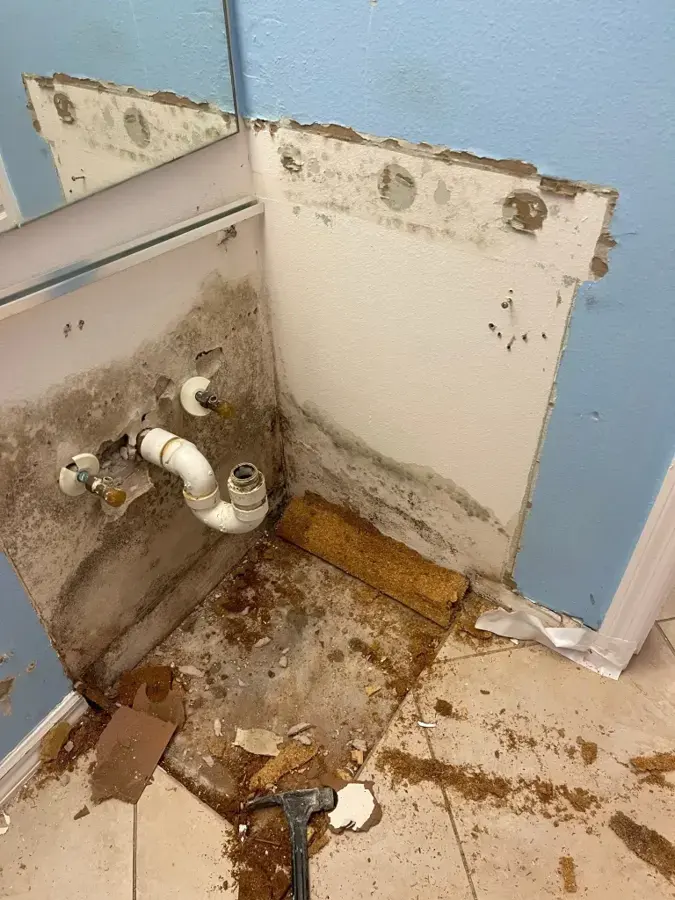
Appliance and Supply Line Leaks
Dishwasher, washer and supply hose leaks are dried, including shared walls in multi-unit buildings.
Appliance and Supply Line Leaks details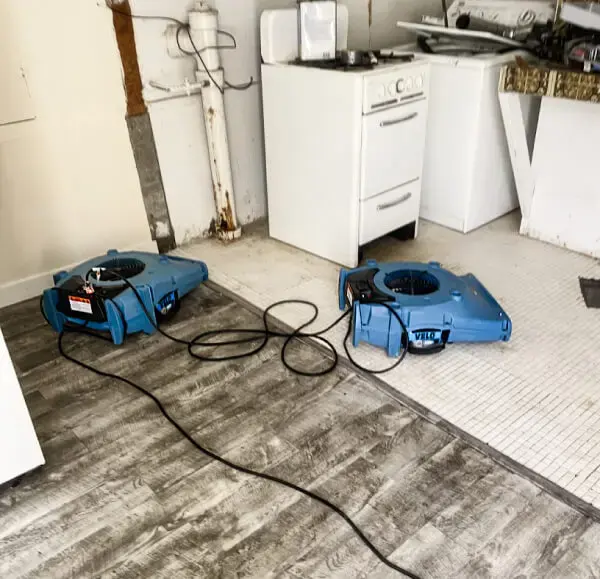
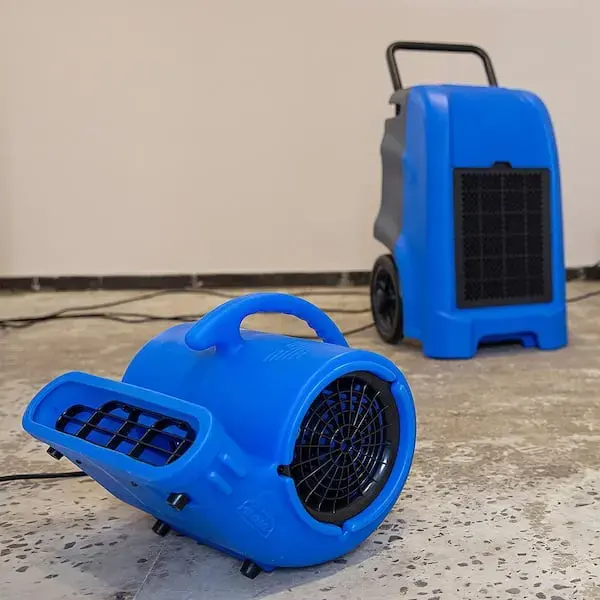
Structural Drying and Dehumidification
Air movers and dehumidifiers dry framing, subfloor and walls until moisture readings return to normal.
Structural Drying and Dehumidification details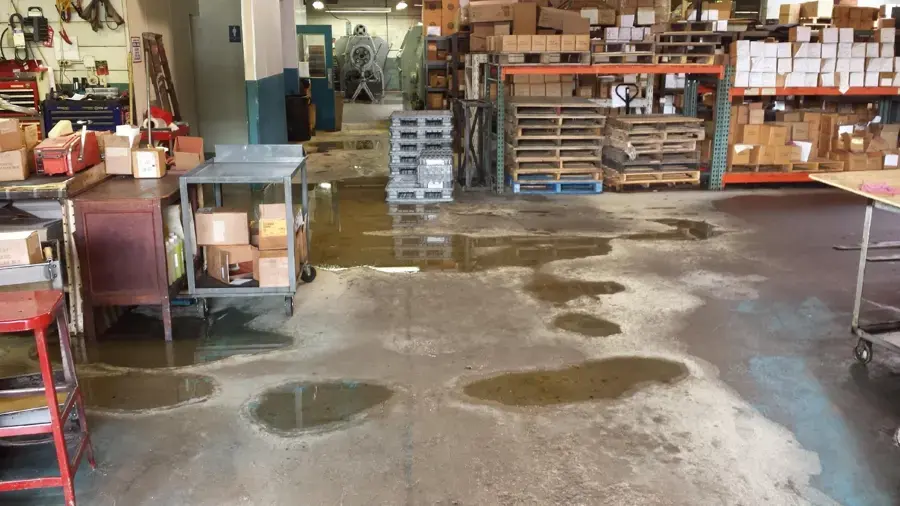
Commercial Water Damage
Shops, offices and warehouses get phased drying that keeps the business open when possible.
Commercial Water Damage detailsThree kinds of water and how each is handled
Clean water
Water from a broken supply pipe starts clean but turns risky if the area stays wet for days.
Burst pipe cleanupGray water
Washers and dishwashers release used water that carries soap and some contamination, so soaked porous materials are often removed.
Appliance leak dryingBlack water
Sewage and creek floodwater carry bacteria, so the area is contained, porous materials are removed and surfaces are treated.
Sewage backup cleanupHow a Fremont drying job is run and measured
Drying follows the IICRC S500 standard, which sets how water is classified, how equipment is placed and when a structure counts as dry. Readings are taken each day until framing and subfloor match normal levels, and the crew records each one.
Map the wet areas
Moisture meters and a thermal camera mark every wet surface before any material is cut or removed.
Pull the water
Pumps and extractors take standing water and wring out carpet and pad so less moisture is left to evaporate.
Place the gear
Air movers and low grain refrigerant dehumidifiers go where the map shows moisture, sized to the room and the material.
Verify the dry goal
Readings are logged daily and the equipment stays until every wet material meets its drying goal.
Water damage help built around Fremont conditions
A Fremont loss can mean winter storm runoff, an aging pipe or a drain backup, and each one is dried differently. The crew documents readings and photos along the way so the claim file stays complete.
Rapid local response
Crews know Fremont's districts and its wet season patterns, so triage starts with the likely source rather than guesswork.
Moisture-mapped drying
Meters and thermal images show where water traveled, so only wet materials are removed.
Claim-ready documentation
Photos, moisture logs and itemized scope notes are kept for the adjuster at every visit.
Local water know-how
The Alameda County Water District supplies the city and Union Sanitary District handles wastewater, so crews know which agency to contact.
What water damage restoration costs in Fremont
Most Fremont jobs land between about $1,200 and $35,000, depending on the water source, the area affected and how long materials stayed wet. A small clean water loss costs far less than sewage or floodwater.
Small clean-water loss
$1,200 to $5,000
- One or two rooms
- Extraction and drying
- Small wall openings if needed
Several rooms or walls
$4,500 to $13,000
- Wet drywall and insulation removed
- Baseboards and flooring pulled
- Several drying zones
Sewage, flood or major loss
$10,000 to $35,000
- Sewage or floodwater
- Containment and removal
- Long drying with daily monitoring
These ranges are typical, not quotes. The final price depends on the equipment days, the materials removed and whether the loss is covered, so an on-site moisture map comes before any firm number.
Records that support a claim
Adjusters want proof of what was wet, when it was found and what it took to dry. The crew builds that file as the job moves, not after it ends.
- Dated photos of every wet room and the source
- Daily moisture readings for walls, subfloor and flooring
- A written scope listing what was removed and why
- Equipment logs showing what ran and for how long
- Itemized invoice matched to the written scope
If you file it yourself
Start the claim as soon as the water source is stopped, and send your insurer the photos, a short written sequence of events and any plumber's repair report.
Keep damaged items until the adjuster says they can go, and ask which repairs need written approval before work begins.
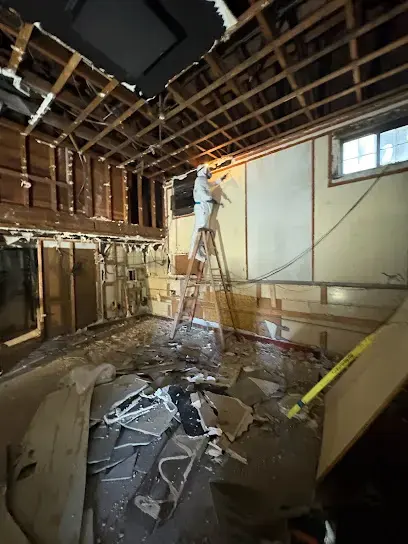
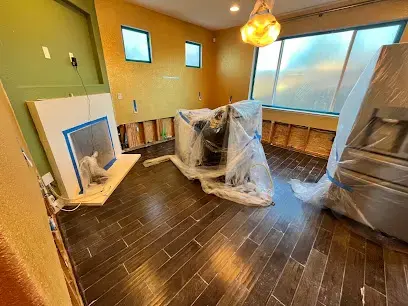
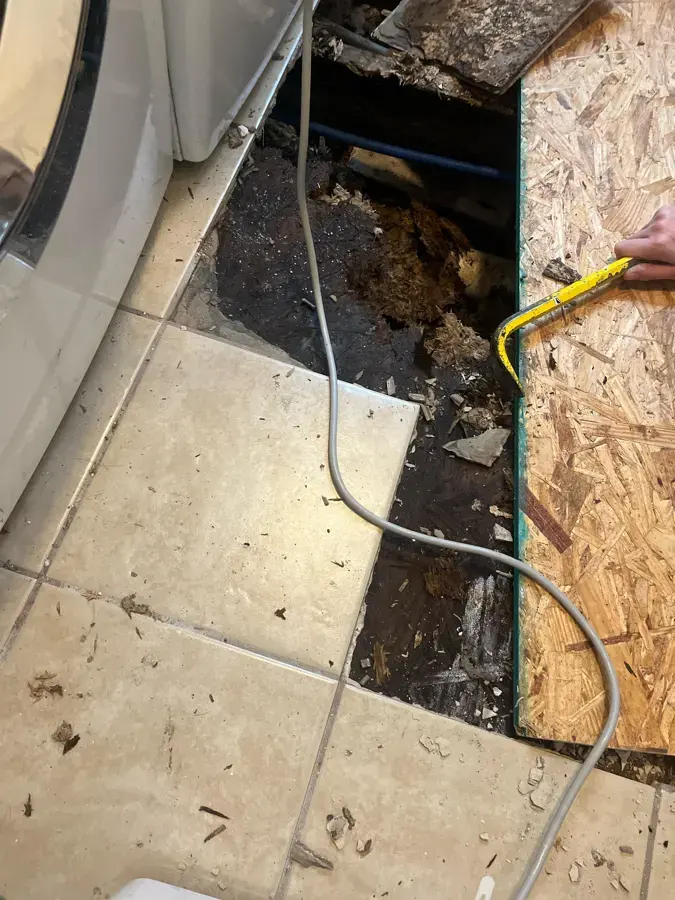
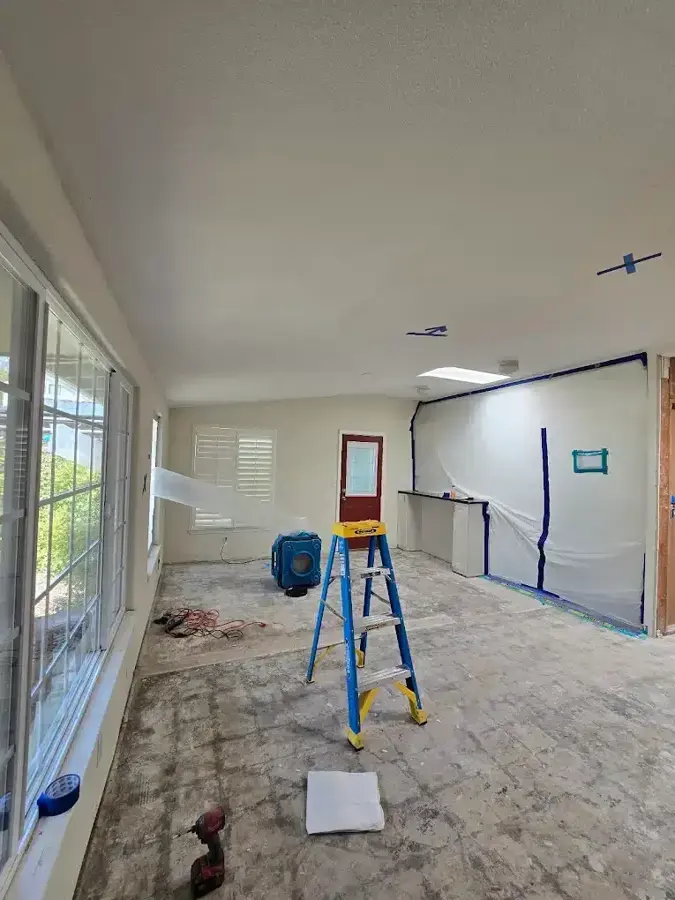
What the drying and removal process looks like on site
Water damage restoration across all of Fremont
Fremont neighborhoods
ZIP codes
Nearby towns
Water damage help for Fremont homes and businesses
Fremont brings together Mission San Jose, Warm Springs, Niles, Centerville and North Fremont, and each district has its own mix of homes, apartments and workplaces.
Crews dry both single homes and multi-unit buildings here, and the work follows the loss from the first extraction to the last moisture reading.
What drives water damage in Fremont
Heavy winter rain, plumbing failures and the history of Alameda Creek each shape how water reaches Fremont properties.

January 2023
After record rainfall brought mudslides and other storm damage, the City of Fremont proclaimed a local emergency on January 9, 2023, following National Weather Service warnings of flooding.
Wet winter storms
Most of Fremont's rain falls in a cool wet winter, so roofs, windows and door thresholds take the brunt.
Creek and channel
Alameda Creek runs along the south side of Niles, and the flood control channel built in the 1950s and 1960s keeps it in check.
Older Centerville subdivisions
Glenmoor Gardens and Cabrillo Park date to the 1950s and 1960s, so supply pipes of that era are worth checking for slow leaks.
Renter-occupied homes
About 37.4 percent of occupied homes were renter-occupied in 2010, so one leak can reach neighbors in shared buildings.
Wastewater backups
Union Sanitary District handles wastewater collection, and a backup inside a home is treated as a contamination job first.
How fast should extraction start after a Fremont water loss?
Water extraction should start as soon as the source is stopped. Standing water soaks into pad, drywall and framing quickly, and drying is far simpler before the materials stay wet through a second day.
Does winter rain in Fremont really cause serious water damage?
It can. Fremont gets about 17 inches of rain a year, mostly in winter, and a few hard storms can push water through roofs, doors and walls.
What happened in Fremont during the January 2023 storms?
Record rainfall caused mudslides and other damage, and the City of Fremont proclaimed a local emergency on January 9, 2023. Storms of that kind are the local reference point for roof and door leaks.
What comes first after a sewage backup in Fremont?
Keep people and pets out, do not run drains and call for cleanup. Sewage backup cleanup treats it as contaminated water, so soaked porous materials are removed and the area is treated.
Who supplies Fremont's water, and does it matter in a leak?
The Alameda County Water District supplies water to Fremont, Newark and Union City. For a leak inside a home, the building's own shutoff valve is the first stop.
What permit applies when a Fremont water heater fails?
The City of Fremont lists a residential plumbing permit for repairing, altering or replacing an existing water heater, applied for online through Citizen Access.
Do Fremont renters and landlords handle water damage differently?
The drying work is the same, but a leak in a shared building can reach several units, so the cleanup is mapped unit by unit and documented for each owner or insurer.
Can a Fremont business stay open during drying?
Often, yes. Crews work in phases, containing wet areas and running equipment after hours so a shop, office or warehouse can keep trading in the dry sections.
How long does structural drying take?
Most structural drying jobs run three to five days, though dense materials such as hardwood and slab can take longer. Readings decide when the equipment leaves, not the calendar.
Is Alameda Creek flooding still a concern in Niles?
The creek's last major flood came in December 1955, when it rose about 20 feet at Niles, before the flood control channel was built.
Start Fremont water damage restoration today
Tell the crew what happened, where the water came from and which rooms are wet, and they will set up extraction and drying as soon as the source is stopped.
Castro Valley Water Damage Restoration · Castro Valley, CA