Structural Drying and Dehumidification in Hayward
After the water is out, the building still holds moisture. The Hayward crew places air movers and dehumidifiers, reads the materials at every visit, and stops only when the numbers say dry.
(888) 774-9605Book Hayward structural drying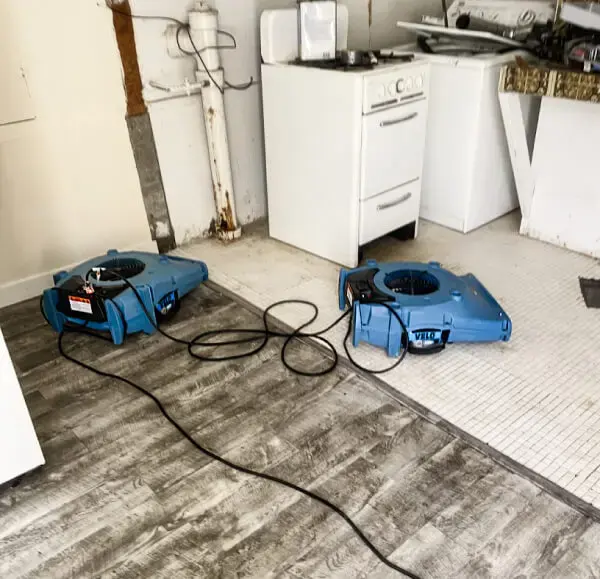 24/7 · Hayward
Structural Drying and Dehumidification at a glance in Hayward
First steps for structural drying and dehumidification in Hayward
- 1
Keep the power on
Equipment needs circuits, so leave dry outlets available.
- 2
Keep doors closed
A closed drying zone dries faster and protects dry rooms.
- 3
Let the gear run
Do not switch machines off, even when the room feels dry.
- 4
Expect daily readings
A visit each day logs progress until targets are met.
Structural drying is dried to a moisture reading, not to a feeling. Dry materials get a meter number that matches reference readings from unaffected parts of the same building, and equipment comes out only when the two agree.
Different buildings, different setups
Hayward's older wood-frame multi-story apartments with open ground-floor parking are one building type the crew sees, alongside single-family homes and mobile homes. Each one gets its own equipment plan.
- Air movers sized to wall length and floor area
- LGR dehumidifiers for most residential rooms
- Desiccant units where slabs or dense materials hold water
What does structural drying and dehumidification cost in Hayward, CA?
Drying cost follows the rooms involved, the materials and how long equipment has to run. A couple of rooms is the low end, while slabs or dense materials call for desiccant units and more days.
One or two rooms
$1,500 to $4,000
- Air movers and LGR
- Daily readings
- Three to five days
Several rooms or hardwood
$4,000 to $10,000
- Floor drying mats
- Multiple drying zones
- Crawl space equipment
Large or dense losses
$10,000 to $25,000
- Desiccant dehumidifiers
- Slab or whole-floor drying
- Extended monitoring
Ranges are typical, not a quote: category of water, square footage, material class and how fast drying started move the number most. Run the water damage cost calculator for a closer range.
The structural drying and dehumidification process in Hayward, step by step
- 1
Set a baseline
Dry reference readings are taken in unaffected areas.
- 2
Place the gear
Air movers and dehumidifiers go where the map points.
- 3
Read every visit
The same points are measured and logged.
- 4
Pull the equipment
Machines leave only once every target is reached and logged.
How the equipment is placed
The moisture map decides where air movers aim and where dehumidifiers go. Hardwood and some laminate floors get drying mats, and wall cavities get air through small openings when needed.
What each visit includes
The crew reads the same points each time and logs the numbers, so the adjuster sees a trend. If the water source was a heater, see water heater leak cleanup.
Why shortcuts leave moisture behind
A floor that feels dry to the hand can still hold water in the subfloor or the bottom of a wall. Turning equipment off early lets that moisture creep back into drywall and flooring, and the damage shows up weeks later. Readings, not touch, decide when drying is complete. The crew compares each reading against a dry reference taken in the same building.
- Subfloors drying slower than the surface
- Wall bottoms that wick from the floor
- Insulation that traps water in a cavity
Structural drying and dehumidification across Hayward and nearby towns
Structural drying covers Hayward ZIP codes 94541, 94542, 94544 and 94545, including Tennyson/Alquire, Fairway Park, Mission Foothills, Longwood/Winton Grove and Hayward Highland, in single-family homes, apartments and shops.
The same service nearby: structural drying and dehumidification in Castro Valley, San Leandro, Fremont.
Related water damage services in Hayward
How is dry decided in Hayward homes?
Readings are compared with dry references in unaffected parts of the same building. When wet materials match them, the equipment is removed.
Why do machines run for days?
Water moves slowly out of framing, concrete and hardwood. Dehumidifiers and air movers pull it out steadily, so a short run would leave moisture behind.
Do dehumidifiers matter in winter?
Yes. Cool, damp winter air slows drying, so dehumidifiers are as important as air movers in the wet months.
Can drying happen in apartment buildings?
Yes. The crew sets equipment in the affected unit and checks adjoining rooms and units. Property managers get the readings.
What happens before drying starts?
Standing water is extracted first, which is covered under water extraction. Drying then handles the moisture inside materials.
Is it really dry?
Tell the crew which rooms were wet and for how long, and they will describe the equipment, the readings and the finish point for the job.
Castro Valley Water Damage Restoration · Castro Valley, CA