Alameda Crawl Space Water Damage Cleanup
Water under a raised floor in Alameda is pumped out, wet insulation and vapor barrier are removed, and the joists and subfloor are dried with readings taken at every visit until the framing is back to normal.
(888) 774-9605Call about crawl space water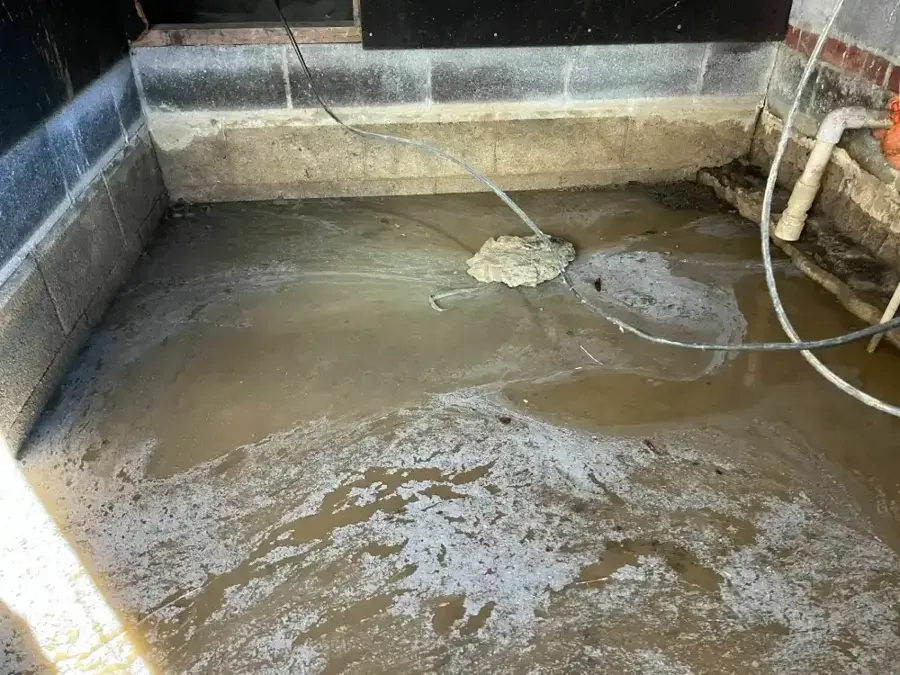 24/7 · Alameda
Crawl Space Water Damage at a glance in Alameda
First steps for crawl space water damage in Alameda
- 1
Find the source
Shut off the water at the main if a pipe is leaking under the house.
- 2
Stay out
Do not crawl under the house in standing water because of shock and sewage risks.
- 3
Check the rooms
Note soft floors, musty smells or cupping boards above the crawl space.
- 4
Photograph access
Take pictures of the vent, the door and any visible water for the claim.
A crawl space hides water well. It can sit under the floor for days while the rooms above look fine, and the framing slowly takes on moisture. Crews in Alameda treat a wet crawl space as a drying job for the whole floor system, not just a puddle to be pumped.
Why water gets under the floor
- A leaking supply or drain pipe below the house
- Runoff that pools near a vent or door
- Groundwater rising after a long wet spell
- A failed water heater or appliance above
- Sewage from a backed up drain
What does crawl space water damage cost in Alameda, CA?
A small area of clean water costs the least, while wet insulation and barrier add removal work. Water from runoff or sewage sits in the highest band because of the extra protocol.
Clean water, small area
$1,500 to $4,000
- Pump-out and extraction
- Air mover and dehumidifier
- Daily readings
Wet insulation and barrier
$4,000 to $9,000
- Insulation removal
- Vapor barrier removal
- Joist and subfloor drying
Runoff or sewage
$8,000 to $18,000
- Category 3 protocol
- Antimicrobial treatment
- Extended drying
Ranges are typical, not a quote: category of water, square footage, material class and how fast drying started move the number most. Run the water damage cost calculator for a closer range.
The crawl space water damage process in Alameda, step by step
- 1
Pump out
Clear standing water with a submersible pump and extractor.
- 2
Strip wet material
Remove soaked insulation and a damaged vapor barrier.
- 3
Set the equipment
Place air movers and a dehumidifier under and above the floor.
- 4
Read and release
Check moisture in the joists until they reach dry targets.
What the crew removes
Insulation that has soaked through holds water against the subfloor, so it is pulled out. A vapor barrier that is torn or wet is removed as well, and standing water is pumped with a small submersible pump. Access is tight, so the crew works in protective gear and carries equipment in piece by piece. Wet insulation is bagged and carried out rather than dragged, so debris does not spread through the house.
How the floor above is dried
Air movers and dehumidifiers go under the house and in the rooms above, so moisture moves out of joists and subfloor from both sides. Readings are logged every visit, and the work is judged against structural drying targets rather than a fixed schedule.
- Pump and extract standing water
- Remove wet insulation and barrier
- Dry joists and subfloor with equipment
When sewage is involved
If the water came from a drain, it is treated as unsafe and the cleanup follows sewage backup cleanup practice, with containment, removal of porous materials and antimicrobial treatment before drying starts.
Once the space is dry, the owner can decide on new insulation and a replacement barrier. The crew records final readings so the insurer and any contractor can see that the framing reached dry targets.
Crawl space water damage across Alameda and nearby towns
Crawl space crews work in ZIP codes 94501 and 94502, covering the Gold Coast, Bronze Coast, Northside, Fernside, East End, West End and South Shore neighborhoods across the main island.
The same service nearby: crawl space water damage in Castro Valley, Oakland, San Leandro.
Related water damage services in Alameda
How do I know water is under my house?
Warped floors, a damp smell, a running pump or a rise in humidity can all point to it. A moisture meter and a crawl check confirm it.
Does wet insulation have to be removed?
Usually yes. Insulation holds water against the subfloor and dries very slowly, so it comes out and is replaced after drying.
Can the vapor barrier be reused?
If it is clean and intact it can sometimes be dried and kept. A torn or contaminated barrier is removed and replaced.
How is the floor above kept safe?
Moisture readings in the joists and subfloor show whether they are drying. Soft or sagging spots are flagged for a contractor.
Is a crawl space always wet in Alameda?
No single rule applies, so each house is checked on its own. Heavy rain, a leak or rising groundwater can each bring water in.
Can the crawl space be dried without removing the floor?
Yes in most cases. Equipment dries the joists from below and the subfloor from above, and the floor stays in place unless readings show damage.
What about sewage under the house?
It needs containment, removal of porous materials and antimicrobial treatment, so it is handled as a separate and more involved cleanup.
Wet under the house?
A crew will pump out the water, pull wet insulation and set drying equipment while readings begin.
Castro Valley Water Damage Restoration · Castro Valley, CA