Crawl Space Water Damage, San Leandro
Water under a raised floor goes unseen until the floor feels soft or the air turns musty. Where a San Leandro home sits on a crawl space, the water is pumped out and the framing dried before damage spreads.
(888) 774-9605Book a crawl space check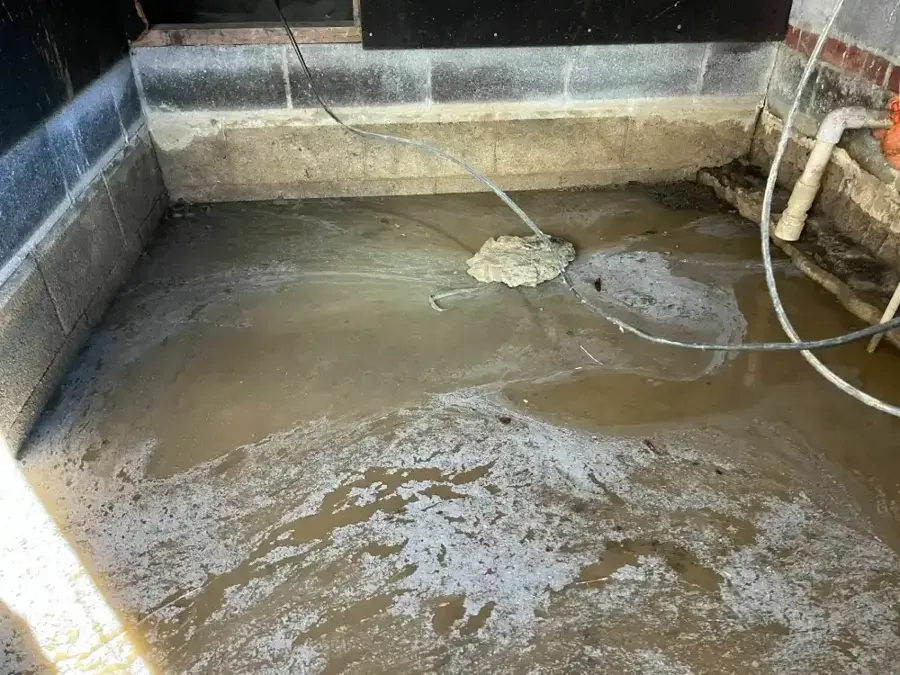 24/7 · San Leandro
Crawl Space Water Damage at a glance in San Leandro
First steps for crawl space water damage in San Leandro
- 1
Find the source
Check for a leaking supply pipe, a downspout or water seeping in.
- 2
Turn off the water
Close the main shutoff if a supply pipe is leaking under the house.
- 3
Stay out of the space
Wet soil and wiring make a crawl space unsafe to enter alone.
- 4
Photograph from the hatch
Capture standing water and wet insulation before anything is removed.
A crawl space holds water quietly. A small leak or a wet season can leave the ground damp for weeks, and the moisture then climbs into insulation, joists and the subfloor above. Nobody sees it, so the first sign is often a smell or a spongy spot in a hallway floor.
Signs water is underneath
- A musty smell that rises through floor vents
- Floors that feel soft or bounce near a wall
- Sagging or damp insulation hanging between joists
- Standing water or dark staining on the ground
- A vapor barrier that is wet, torn or pooling water
What does crawl space water damage cost in San Leandro, CA?
Most San Leandro crawl space jobs fall between $1,500 and $18,000, and the number depends on whether the water is clean, how much insulation is wet and whether sewage or runoff is involved.
Clean water, small area
$1,500 to $4,000
- Pump-out and extraction
- Air mover and dehumidifier
- Daily readings
Wet insulation and barrier
$4,000 to $9,000
- Insulation removal
- Vapor barrier removal
- Joist and subfloor drying
Runoff or sewage
$8,000 to $18,000
- Category 3 protocol
- Antimicrobial treatment
- Extended drying
Ranges are typical, not a quote: category of water, square footage, material class and how fast drying started move the number most. Run the water damage cost calculator for a closer range.
The crawl space water damage process in San Leandro, step by step
- 1
Pump out
Remove standing water and check where it entered the space.
- 2
Pull wet materials
Take out soaked insulation and a wet vapor barrier.
- 3
Dry the framing
Set air movers and a dehumidifier to move air across joists.
- 4
Verify dryness
Log moisture readings on each visit and stop when the wood is normal.
How the space is dried
Water goes out first with a pump, then wet insulation and a soaked barrier come out because they hold moisture against the wood. Air movers and a dehumidifier are placed so air travels along the joists, and readings are logged each visit until the framing reaches a normal level.
Groundwater and runoff
In the lower elevations of San Leandro, shallow groundwater generally flows west toward San Francisco Bay, with an upper aquifer 50 to 100 feet below the surface. That is background, not a prediction: what matters is the source of the water and whether it was clean when it entered.
- Clean leak water is pumped and the framing dried in place
- Runoff or sewage moves the job to contaminated water steps
- Sewage cases add antimicrobial treatment
Why waiting makes it worse
Wet insulation holds water against the joists, and within a 24 to 48 hour window mold can begin to grow on damp wood. Acting early keeps the work to pumping and drying instead of replacing framing. The full method is on the main crawl space page, and the San Leandro hub lists neighborhoods served.
Crawl space water damage across San Leandro and nearby towns
Crawl space work covers San Leandro ZIP codes 94577, 94578 and 94579, from Estudillo Estates and Halcyon to Floresta Gardens and Broadmoor, and the neighborhoods closest to San Francisco Bay.
The same service nearby: crawl space water damage in Castro Valley, Oakland, Alameda.
Water damage restoration in San Leandro · every town covered
Related water damage services in San Leandro
How can I tell water is in my crawl space?
A musty smell, soft spots in the floor above and sagging insulation are common signs. A flashlight at the access hatch can confirm standing water without going in.
Is it safe to go in and look?
Not when there is standing water, because wiring, slippery soil and tight spaces add risk. Looking from the hatch with a light is the safer first check.
Does wet insulation have to be replaced?
Usually yes. Wet insulation stays damp against the framing and rarely springs back, so it is removed and replaced after the wood is dry.
What happens to the vapor barrier?
A barrier that is soaked or torn is pulled so the soil and wood underneath can dry. A new one is installed after the area passes moisture readings.
Can groundwater cause a wet crawl space?
It can. Shallow groundwater in the lower elevations of San Leandro generally flows west toward San Francisco Bay, so water can show up under a house even without a leak.
How long does drying take?
It depends on the depth of the water and how much wood is wet. Daily readings show progress, and equipment stays until the joists read dry.
What if the water is sewage?
Sewage or runoff is contaminated water, so containment and antimicrobial treatment come first. The sewage backup page for San Leandro covers that case in more detail.
Get the water out from under
Share what you saw at the hatch and how the floor above feels, and the crew will plan pumping, removal and drying.
Castro Valley Water Damage Restoration · Castro Valley, CA