Crawl Space Water Damage in Fremont
When water collects under a raised floor, the damage hides until floors soften or odors rise. Fremont crews pump the space out, pull wet insulation and dry the joists and subfloor from below.
(888) 774-9605Request crawl space help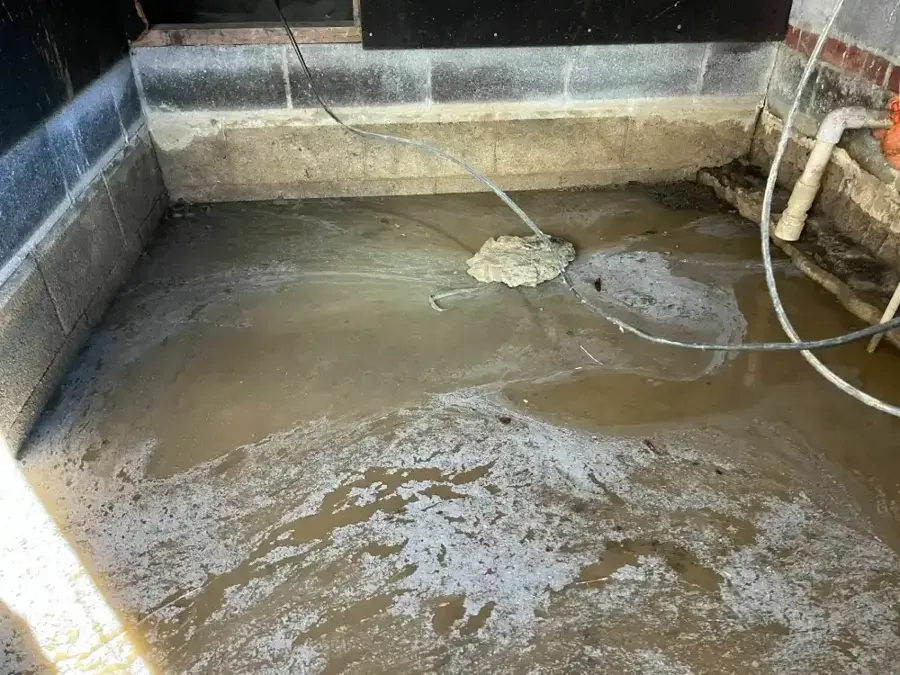 24/7 · Fremont
Crawl Space Water Damage at a glance in Fremont
First steps for crawl space water damage in Fremont
- 1
Stay out when wet
Skip entering a flooded crawl space, since wet wiring and slippery soil are unsafe.
- 2
Shut off the source
Close the main valve if a pipe is leaking and stop any hose or sprinkler near the foundation.
- 3
Note what you see
Photograph the water level and any sagging insulation from the access opening.
- 4
Call for pump-out
Report when the water appeared and whether it looks clean, muddy or like sewage.
A crawl space is easy to ignore until water gets in. Rain runoff or a leaking pipe can leave the soil wet, the insulation heavy and the floor framing damp above it, so the whole space needs attention. Foundation types vary from home to home and are confirmed on site. Related work includes water extraction and structural drying.
Signs of water below the floor
- Floors that feel soft or bouncy near walls
- A musty smell inside the house
- Insulation sagging or hanging loose
- Standing water or a damp barrier when checked
- Pipes sweating or dripping under the house
What does crawl space water damage cost in Fremont, CA?
Crawl space jobs in Fremont usually run from about $1,500 to $18,000, driven by water depth, how much insulation and barrier must come out and whether the water is clean, runoff or sewage.
Clean water, small area
$1,500 to $4,000
- Pump-out and extraction
- Air mover and dehumidifier
- Daily readings
Wet insulation and barrier
$4,000 to $9,000
- Insulation removal
- Vapor barrier removal
- Joist and subfloor drying
Runoff or sewage
$8,000 to $18,000
- Category 3 protocol
- Antimicrobial treatment
- Extended drying
Ranges are typical, not a quote: category of water, square footage, material class and how fast drying started move the number most. Run the water damage cost calculator for a closer range.
The crawl space water damage process in Fremont, step by step
- 1
Inspect the space
Photos, meters and a depth check show how far the water spread.
- 2
Pump out the water
Pumps and extractors clear the water and soaked debris.
- 3
Remove what failed
Wet insulation and a soaked barrier come out in bags.
- 4
Dry and verify
Equipment runs until joists and subfloor read normal.
Pumping and extraction
Pumps clear standing water first, then wet vacuums handle puddles and soaked debris. Work is done from the access panel, so crews carry equipment through the opening rather than tearing into the rooms above. Depth and flow are noted so the source can be traced.
Insulation, barrier and framing
Wet insulation sags and stops insulating, so it comes out. A torn or soaked vapor barrier is removed and replaced after drying. Joists and subfloor are then dried with air movers and a dehumidifier sized for the space. Soil staining or debris that wicked water upward is cleaned out while the space is open.
- Insulation removed in bags
- Barrier lifted and inspected
- Joists probed with meters
Fremont rain and runoff
Fremont gets about 17 inches of rain a year, mostly in winter, and the January 2023 storms brought record rainfall and mudslides. Storm water that reaches the area under a raised floor can sit for days before anyone sees it. If the source is sewage, see sewage backup cleanup. Wider information sits on the main crawl space page.
Crawl space water damage across Fremont and nearby towns
Crawl space work reaches the Fremont districts of Niles, Centerville, Irvington, Mission San Jose and Warm Springs, plus ZIP codes 94536, 94537, 94538 and 94539, wherever a home sits over a raised floor.
The same service nearby: crawl space water damage in Castro Valley, Hayward, San Leandro.
Related water damage services in Fremont
Why does water collect in a crawl space?
Storm runoff, a leaking supply or drain pipe, or a heavy winter soaking can all put water under a raised floor. Fremont's wet season makes runoff one likely cause.
How do crews know if the subfloor is wet?
Moisture meters read the joists and subfloor from below, and a thermal camera shows cool damp areas. Readings are repeated daily until they match dry reference points.
Does wet insulation have to come out?
Usually, yes. Soaked insulation holds water against the floor above and does not dry well in place, so it is bagged and removed before the framing is dried.
Can the space be dried without opening floors?
Often. Drying from below with air movers and a dehumidifier works for many losses, and flooring above is opened only if meters show moisture trapped there.
What if the water is sewage?
Sewage is contaminated water, so soil and materials are handled with a stricter plan: containment, removal of porous items and treatment of what remains.
How long does crawl space drying take?
Most projects need several days of equipment run time. Drying ends only when readings return to normal, which depends on how long the area stayed wet.
Get water out from under Fremont floors
Share when the water showed up and where it seems to come from, and the crew will plan the pump-out and the drying of the framing.
Castro Valley Water Damage Restoration · Castro Valley, CA